Key Takeaways:
- Clear nasal drainage and itchy eyes suggest allergies, while fever and thick mucus indicate a cold.
- Seasonal allergies rarely appear before age 2, becoming common by school age in children with family history.
- Start antihistamines before peak pollen season and use nasal rinses after outdoor play in Northern Colorado.
- Call your pediatrician for persistent symptoms, but seek urgent care if breathing becomes difficult or wheezing starts.
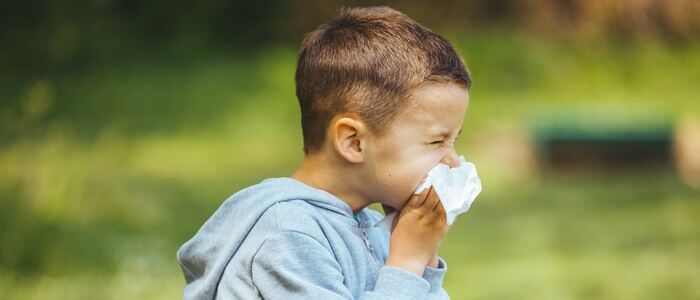
Your child comes inside after playing at Spring Canyon Park with watery eyes and a runny nose. Again. You’ve already dealt with three colds this winter. Is this another virus, or could it finally be seasonal allergies? You’re stuck between giving another dose of medication and wondering if you’re missing something more serious.
This guide helps you identify seasonal allergies in kids, distinguish them from common colds, and take confident next steps without second-guessing every symptom.
Seasonal allergies in kids: what Northern Colorado parents should know
Seasonal allergies happen when your child’s immune system overreacts to outdoor allergens like tree pollen, grass pollen, or ragweed. In Northern Colorado, our dry climate and specific vegetation create a distinct allergy season that differs from what you’ll find in coastal or humid regions.
Fort Collins and surrounding areas face a concentrated spring tree pollen season from March through May, followed by grass pollen in late May and June. Our cottonwood trees are particularly aggressive pollen producers. The low humidity means pollen stays airborne longer than in wetter climates, giving it more time to trigger symptoms.
Unlike colds that resolve in 7-10 days, seasonal allergies persist as long as the triggering pollen remains in the air. Your child might seem fine one week, then struggle the next as different plants start their pollination cycles. This pattern repeats annually, which helps differentiate allergies from recurring respiratory infections.
The good news is that seasonal allergies in kids are manageable with the right approach. Keeping your kids healthy this spring starts with understanding what you’re dealing with.
Allergies vs. a cold in kids: how to tell the difference
Parents ask this question more than any other during spring months. The symptoms overlap enough to cause genuine confusion, but several clear markers help you distinguish between the two.
Allergy symptoms include:
- Clear, thin nasal drainage that stays watery
- Itchy, watery eyes (often the most telling sign)
- Sneezing in clusters, especially after being outside
- Symptoms that persist beyond two weeks
- No fever
- Itchy nose, throat, or ears
Cold symptoms include:
- Thick, yellow or green nasal discharge
- Fever, body aches, or fatigue
- Symptoms that improve within 7-10 days
- Sore throat that worsens over the first few days
- No eye itching
Keep in mind that individual children can present differently, and only a medical evaluation can confirm whether your child is dealing with allergies, a cold, or something else. If you’re unsure, it’s always worth a call to your pediatrician. For a deeper look at overlapping respiratory symptoms, see our guide to cold vs. flu symptoms in children.
The timing matters too. If symptoms appear every April like clockwork, allergies are the likely cause. If your child develops symptoms after exposure to a sick classmate, think cold or virus first.
One practical test: Do symptoms improve indoors with windows closed? Allergy symptoms typically decrease when pollen exposure stops. Cold symptoms persist regardless of location.
When do seasonal allergies start in children?
Seasonal allergies rarely develop before age 2. The immune system needs repeated exposure to allergens over multiple seasons before it starts overreacting. Most children who develop seasonal allergies show first symptoms between ages 3 and 5.
Family history significantly increases the likelihood. Children with one or both parents who have seasonal allergies are more likely to develop them, though the timing and severity vary widely from child to child. This is a general pattern rather than a guarantee in either direction.
You might notice your child had no spring symptoms at age 3, mild sniffling at age 4, and clear allergic reactions by age 5. This progression is normal. The immune system’s sensitivity builds over time.
Some children develop allergies to specific pollen types earlier than others. Tree pollen allergies often appear first, followed by grass allergies, then ragweed sensitivity in later childhood or adolescence.
Don’t assume your child is “too young” for allergies if symptoms align with the allergy pattern described above, especially if they’re age 3 or older with a family history.
Common allergy symptoms in kids by age
Younger children (ages 3-5) often can’t articulate what bothers them. Watch for:
- Frequent nose rubbing or the “allergic salute” (pushing up on the nose tip)
- Mouth breathing, especially during sleep
- Restless sleep or snoring that appears seasonally
- Rubbing or scratching eyes repeatedly
- Crankiness that correlates with high pollen days
School-age children (ages 6-12) can usually describe symptoms more clearly:
- Complaints of itchy eyes, nose, or throat
- Difficulty concentrating during peak allergy season
- Fatigue from poor sleep quality
- Headaches from sinus pressure
- Reduced interest in outdoor activities they normally enjoy
Some children develop dark circles under their eyes, called “allergic shiners,” from chronic nasal congestion affecting blood flow. Others develop a horizontal crease across the bridge of the nose from the constant upward rubbing motion.
Allergy symptoms in kids can also trigger or worsen asthma symptoms. If your child develops a persistent cough, wheezing, or chest tightness during pollen season, this needs immediate evaluation. Learn more about asthma in very young children and how it can overlap with seasonal allergies.
How Northern Colorado’s pollen season affects your child
Fort Collins and the surrounding region have specific characteristics that shape how seasonal allergies affect local children.
Spring (March-May): Tree pollen dominates. Cottonwoods, elms, and ash trees release heavy pollen loads. Our typically dry, windy spring weather sends pollen counts soaring. These are often the hardest weeks for children with tree pollen allergies.
Late Spring to Early Summer (Late May-June): Grass pollen takes over as the primary trigger. Bermuda grass, timothy grass, and bluegrass are common culprits in Northern Colorado lawns and parks.
Late Summer to Fall (August-October): Ragweed becomes the main allergen. While less intense than in humid climates, it still affects sensitive children.
The Front Range’s low humidity means pollen doesn’t get washed out of the air as quickly as it does in rainier regions. A single dry week can mean sustained high pollen counts. Conversely, our afternoon thunderstorms temporarily clear the air, often providing relief for a day or two.
Managing seasonal allergies without over-medicating
The goal is effective symptom control using the minimum necessary intervention. Start with environmental controls, add medications when needed, and escalate only if symptoms persist.
Environmental strategies come first:
Keep windows closed during high pollen days, typically morning hours between 5 a.m. and 10 a.m. Use air conditioning instead. In Northern Colorado’s dry climate, this also helps maintain comfortable indoor humidity.
Have your child shower and wash their hair before bed if they’ve been playing outside. Pollen clings to hair and skin, then transfers to pillows, prolonging exposure throughout the night.
Use a HEPA filter in your child’s bedroom. This captures pollen particles that make it indoors. Change filters regularly during peak season. For families managing both allergies and asthma, removing asthma triggers from your home covers additional environmental steps that help with both conditions.
Simple home remedies provide relief:
Saline nasal rinses clear pollen from nasal passages. For young children, saline spray works well. Older children can use neti pots or squeeze bottles with proper technique. Angle the stream toward the back of the head, not the top, for effective clearing without discomfort.
A cool, damp washcloth over the eyes soothes itching and removes pollen from eyelashes.
Medication approaches that work:
Antihistamines like cetirizine or loratadine are generally considered safe for children 2 and up when used at recommended doses, ideally under pediatric guidance. Non-drowsy formulas help avoid daytime sleepiness. Start these before symptoms peak for best results.
Nasal corticosteroid sprays reduce inflammation more effectively than antihistamines alone for nasal symptoms. These are safe for children and work best when used consistently, not just on bad days.
Avoid decongestants in young children. They can cause side effects like irritability, rapid heart rate, and sleep problems. They also shouldn’t be used for more than a few days.
The key is starting treatment early in the season, before symptoms become severe. This preemptive approach, recommended by pediatric allergists, prevents the inflammatory cascade that makes symptoms harder to control.
When to call your pediatrician vs. urgent care
Knowing when to reach out for professional guidance prevents both under-treatment and unnecessary emergency visits.
Call your pediatrician during regular hours if:
- This is your child’s first allergy season and you want to confirm the diagnosis
- Over-the-counter antihistamines aren’t controlling symptoms after one week of consistent use
- You’re unsure about appropriate medication dosing for your child’s age and weight
- Symptoms interfere with sleep, school performance, or normal activities
- You want to discuss allergy testing or specialist referrals
- Your child has a history of asthma and allergies seem to be triggering respiratory symptoms
Many pediatric practices, including The Youth Clinic, offer a nurse triage line: 970-267-6715 for quick questions about symptom management and medication dosing. Use these resources before symptoms escalate.
Seek same-day or urgent care if:
- Your child develops wheezing, chest tightness, or difficulty breathing
- Breathing becomes rapid or labored
- Lips or face show any signs of swelling
- Your child seems unusually lethargic or unresponsive
- High fever develops along with allergy symptoms (suggesting a secondary infection)
- Severe headache or facial pain suggests a sinus infection
For severe allergic reactions or breathing emergencies in Northern Colorado, Pediatric Urgent Care of Northern Colorado provides specialized pediatric urgent care services when your regular doctor isn’t available. Their providers are pediatric-trained and equipped to evaluate allergic reactions, asthma flares, and breathing concerns in children.
The rule of thumb: trust your instinct as a parent. If something feels wrong beyond typical allergy symptoms, seek evaluation. It’s better to have a provider confirm everything is fine than to wait too long with a developing complication.
How The Youth Clinic supports long-term allergy care
Seasonal allergies aren’t a one-time problem. They return each year, often with evolving patterns as your child grows and as Northern Colorado’s environmental conditions change.
Having a pediatric provider who knows your child’s complete health history makes spring allergy season less stressful. Your child’s doctor can track symptom patterns year over year, adjust treatment plans as your child grows, and identify when allergies might be triggering asthma or other complications.
The Youth Clinic’s approach to allergy management includes:
Continuity of care: The same providers see your child through multiple allergy seasons, understanding what worked last year and what needs adjustment. They know your child’s medication sensitivities, previous responses to treatment, and family history. When urgent care visits happen, our shared medical records system means your child’s Youth Clinic provider can review what occurred and follow up without you having to repeat the full history.
Accessible guidance: Nurse triage lines and patient portals let you ask dosing questions or report symptom changes without waiting for an appointment. Quick answers during peak pollen days help you manage symptoms before they spiral.
Allergy testing coordination: When symptoms suggest specific allergies or when treatment isn’t working, your pediatrician can coordinate skin testing or blood work, then refer to pediatric allergists when specialized care makes sense.
Asthma monitoring: Since allergies and asthma often overlap, your provider watches for signs that allergies are triggering respiratory symptoms. Early intervention prevents asthma complications. Our asthma facts resource covers what families managing both conditions should know. For families whose children use inhalers, our partners at Pediatric Urgent Care of Northern Colorado have additional guidance on managing asthma through allergy season.
Preventive planning: Before each spring season, you can discuss starting medications early, updating prescriptions, and reviewing your home management plan. This proactive approach beats reactive crisis management.
Final Takeaway
Long-term relationships with pediatric providers mean you’re not explaining your child’s history repeatedly. They know your questions, your concerns, and your child as an individual, not just a set of symptoms.
FAQs about seasonal allergies in kids
Can seasonal allergies be cured?
Seasonal allergies can’t be cured, but they can be effectively managed with medications and environmental controls. Some children outgrow certain allergies over time. Immunotherapy can reduce sensitivity for specific allergens. Ask your pediatrician about the options that fit your child.
What medications are safe for young children with allergies?
Antihistamines like cetirizine and loratadine are FDA-approved for children as young as age 2. Nasal corticosteroid sprays are also safe when used as directed. Always consult your pediatrician for correct dosing based on your child’s age and weight before starting any medication.
How do I know if it’s allergies or a sinus infection?
Sinus infections typically follow persistent allergy symptoms and include thick colored discharge, facial pain or pressure, fever, and worsening rather than stable symptoms. If your child’s clear allergy symptoms shift to these signs, contact your pediatrician for evaluation.
Should my child avoid outdoor activities during allergy season?
No. The benefits of outdoor play outweigh allergy concerns for most children. Time outdoor activities for late afternoon when pollen counts typically drop, have your child shower afterward, and use preventive medications during peak season. Complete avoidance isn’t necessary or beneficial.
When should my child see an allergist?
Consider a referral if symptoms don’t improve after 4-6 weeks of treatment, if you want allergen testing, if your child has both allergies and asthma, or if immunotherapy interests you. Your pediatrician can help determine whether specialist care makes sense for your child.
Do air purifiers really help with seasonal allergies?
Yes, HEPA air purifiers reduce indoor pollen by filtering particles from the air. They work best in closed bedrooms overnight and are most effective combined with keeping windows closed and showering before bed. They reduce overall exposure but won’t eliminate symptoms entirely.
Seasonal allergies in kids create frustration for Northern Colorado parents every spring, but understanding the patterns specific to our region makes management more straightforward. Clear nasal drainage, itchy eyes, and symptoms that persist beyond two weeks point to allergies rather than yet another cold. Starting antihistamines before peak pollen season, using nasal rinses after outdoor play, and knowing when to call your pediatrician versus seeking urgent care gives you a framework for confident decision-making.
The Youth Clinic supports Fort Collins families through every allergy season with providers who track your child’s health over time, accessible guidance when symptoms flare, and coordinated care when complications develop. If this is your child’s first spring with persistent symptoms, or if current treatments aren’t controlling the sneezing and congestion, schedule an appointment to develop a management plan that works for your family.